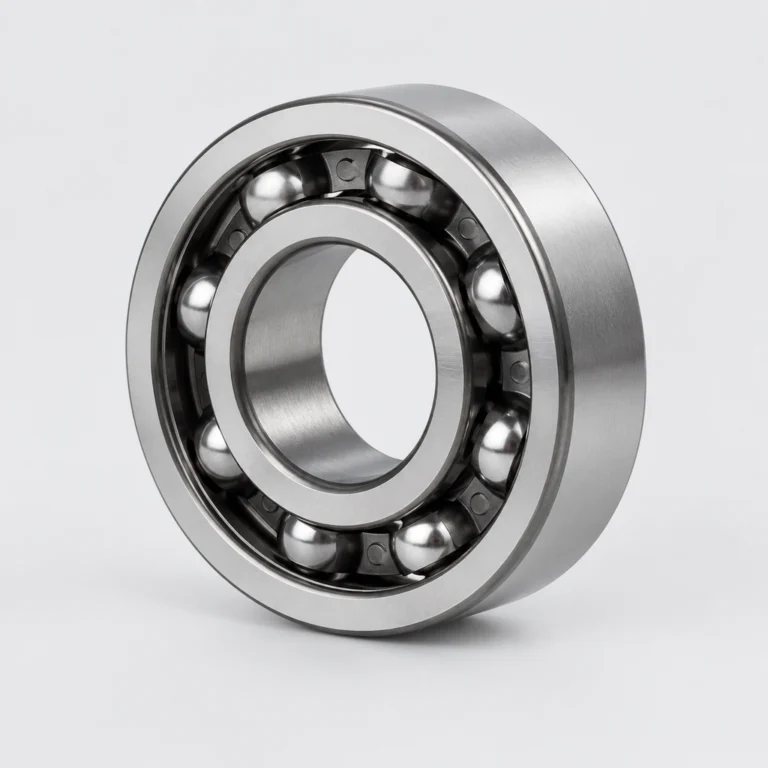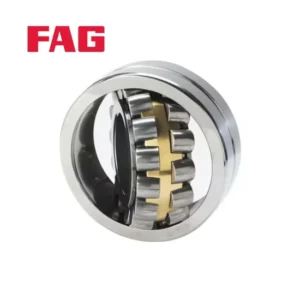
Product details
Description and application notes
Multi-Brand Sourcing Consolidation — We integrate this specific FAG unit with SKF or NSK equivalents in a single shipment, eliminating multi-vendor coordination for your heavy machinery projects.
Technical Specifications
| Parameter | Value |
|---|---|
| Designation | FAG 22220-E1-a-XL-M |
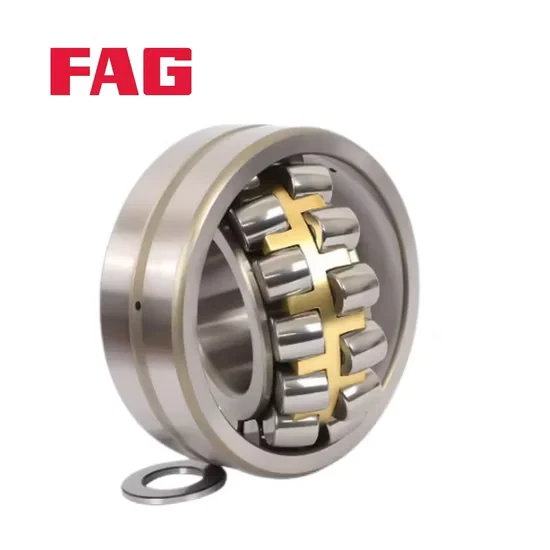
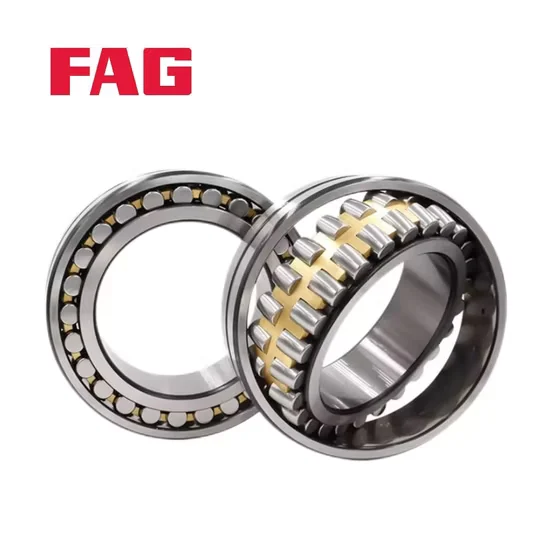
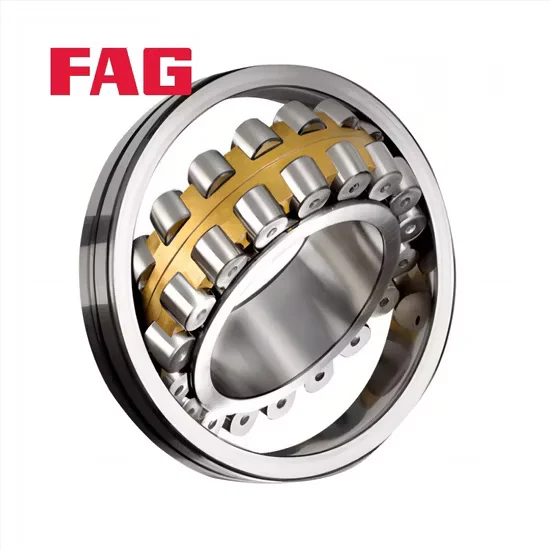
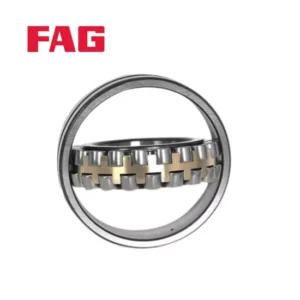
| Bearing Type | Spherical Roller Bearing |
| Structure | Double Row, Self-Aligning |
| Main Material | Chrome Steel Gcr15 |
| Cage Material | Machined Brass |
| Number of Rows | Double Row |
| Origin | Jiangsu China |
E1, a, and XL are unverified suffixes requiring manufacturer catalog confirmation.
Application Suitability
| Industry | Typical Applications |
|---|---|
| Mining & Aggregates | Jaw crusher toggle plates and vibrating screen exciter mechanisms |
| Metallurgy | Steel mill continuous caster roll guides and hot strip mill gearboxes |
| Pulp & Paper | Paper machine dryer section felt rolls and press section suction rolls |
Why Standard Cages Fail in Vibrating Screens Before the Steel Yields
Brass cages outperform stamped steel when high-frequency vibrations mask underlying thermal expansion.
Early in my career, I sourced standard clearance bearings with stamped cages for a mining crusher. The heat buildup caused thermal expansion, leading to a catastrophic seizure that halted the entire plant. When evaluating a FAG 22220-E1-a-XL-M spherical roller bearing, avoiding this exact failure mode requires scrutinizing the cage material and internal clearance rather than just the basic dimensions. Ignoring these critical suffixes often results in unnoticed cage fatigue long before the raceway shows any spalling.
Matching the Machined Brass Cage to High-Vibration Environments
The machined brass cage in this FAG 22220-E1-a-XL-M spherical roller bearing provides superior resistance to the centrifugal forces and shock loads typical in aggregate processing. Our engineering team cross-references your specific vibration frequency to ensure the cage design prevents roller skewing. This proactive verification prevents the premature wear that often plagues standard stamped alternatives in heavy-duty screening equipment.
Managing Thermal Gradients and Contamination in Steel Mills
Continuous casting environments subject bearings to intense radiant heat and heavy water scale contamination. Elevated temperatures drastically reduce lubricant viscosity, demanding a cage material that maintains structural integrity without galling. Furthermore, the self-aligning capability compensates for shaft deflections caused by heavy radial loads, while proper seal selection prevents abrasive dust from infiltrating the raceway. Maintaining the correct lubrication interval is equally vital to flush out contaminants and sustain the hydrodynamic film under extreme thermal stress.
Decoding the Suffix Architecture for Heavy-Duty Reliability
The 'M' suffix confirms a machined brass cage, which is essential for applications involving severe vibrations and high speeds where stamped steel cages would fatigue. Unlike polyamide cages that degrade under high thermal loads, brass offers excellent heat dissipation and structural rigidity. The double-row self-aligning structure inherently accommodates static misalignment up to a few degrees, protecting the rolling elements from edge loading. Selecting the correct internal clearance—such as C3 or C4—is equally critical to accommodate the thermal expansion of the shaft and housing during operation. Proper suffix alignment ensures the bearing operates within its designed kinematic parameters.
The Hidden Financial Drain of Ignoring Suffix Details
Overlooking the specific cage and clearance suffixes inevitably leads to unplanned downtime and catastrophic damage to adjacent mechanical components. When a bearing seizes due to thermal expansion, the resulting shaft scoring and housing deformation multiply the replacement costs exponentially. Adhering to failure analysis frameworks reveals that a significant share of premature failures stems from inadequate clearance selection rather than material defects. Correcting these specification mismatches during the procurement phase eliminates the hidden financial drain associated with emergency maintenance and lost production hours.
Securing Traceability and Technical Alignment for Your Fleet
We verify the exact suffix configuration against your equipment's operational parameters, ensuring you never receive a standard clearance unit when a C4 is required. Our inventory includes massive spot stock of these specific FAG configurations, bypassing typical multi-week lead times from direct channels. Every shipment includes complete factory batch traceability, and our technical team provides post-installation failure analysis if abnormal wear patterns emerge. We also consolidate mixed-brand orders, allowing you to source this unit alongside SKF or Timken equivalents in a single container, optimizing your global supply chain logistics.
Documentation & Authenticity
- Original factory batch traceability documents linking this exact FAG unit to its specific production run.
- Official manufacturer app QR codes printed on the packaging for instant authenticity verification upon delivery.
- Dimensional and running accuracy inspection reports confirming strict tolerance compliance before final dispatch.
- Material test certificates validating the precise Gcr15 chrome steel and machined brass composition.
Storage, Handling & Mounting
- Retain the original VCI packaging until installation to prevent surface corrosion on the chrome steel raceways.
- Use induction heaters with precise temperature control when mounting the cylindrical bore to avoid damaging the brass cage.
- Apply clean, lint-free gloves during handling to prevent sweat-induced micro-pitting on the precision-ground outer ring.
- Ensure the self-aligning feature is not restricted by overly tight housing fits during the mounting sequence.
Providing the Right Parameters for Technical Verification
To ensure precise model selection and L10 life calculation, please share your specific radial and axial loads, operating speeds, and ambient temperatures. Providing the original OEM equipment number allows our engineers to cross-reference the exact clearance and cage requirements. This comprehensive technical review guarantees the proposed configuration perfectly aligns with your heavy-duty operational demands and prevents costly field modifications.
Frequently Asked Questions
Q: How do I verify the authenticity of this specific FAG bearing through official channels?
A: You can authenticate the unit by scanning the official QR code on the packaging using the manufacturer's dedicated mobile application. We also provide original factory batch traceability documents that link the bearing's serial number directly to its production run, ensuring complete transparency and genuine origin for your procurement records.
Q: What does the machined brass cage suffix mean for heavy-load vibrating applications?
A: The 'M' suffix indicates a machined brass cage, which offers superior structural rigidity and heat dissipation compared to stamped steel. In high-vibration environments like crushers or screens, this design prevents roller skewing and cage fatigue, significantly extending service life and reducing the risk of catastrophic seizure under severe shock loads.
Q: How do I select the right internal clearance for vibrating screens and crushers?
A: Vibrating equipment generates substantial heat and dynamic loads, typically requiring a larger internal clearance like C3 or C4 to accommodate thermal expansion. Our engineering team analyzes your specific operating temperatures and shaft tolerances to recommend the exact clearance class, preventing the dangerous reduction of internal play that leads to premature failure.
Q: How can I cross-reference equivalent models while aligning cage specifications?
A: When cross-referencing to SKF or NSK equivalents, it is crucial to match not just the basic dimensions but also the cage material and internal clearance. Our technical team verifies that the alternative model features a corresponding machined brass cage and identical clearance class, ensuring smooth integration without compromising the equipment's vibratory performance.