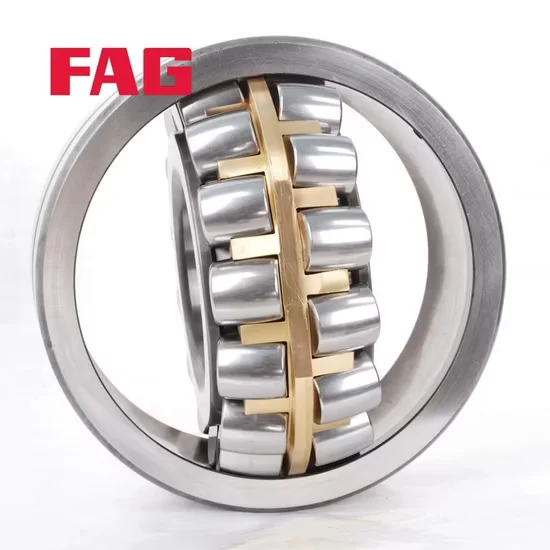
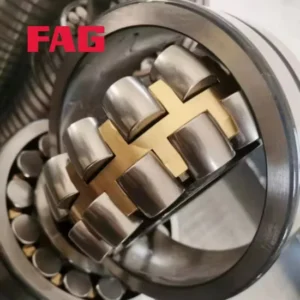
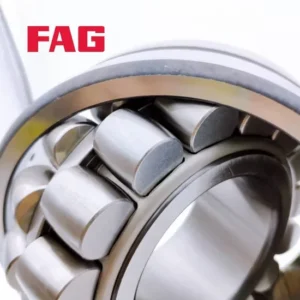
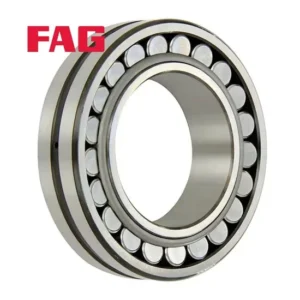
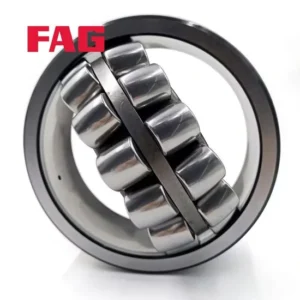
Product details
Description and application notes
Authentic FAG QR Verification — Every FAG 23232-E1-a-M-C3 spherical roller bearing includes a scannable manufacturer QR code to confirm original production batch data and traceability.
Technical Specifications
| Parameter | Value |
|---|---|
| Designation | FAG 23232-E1-a-M-C3 |
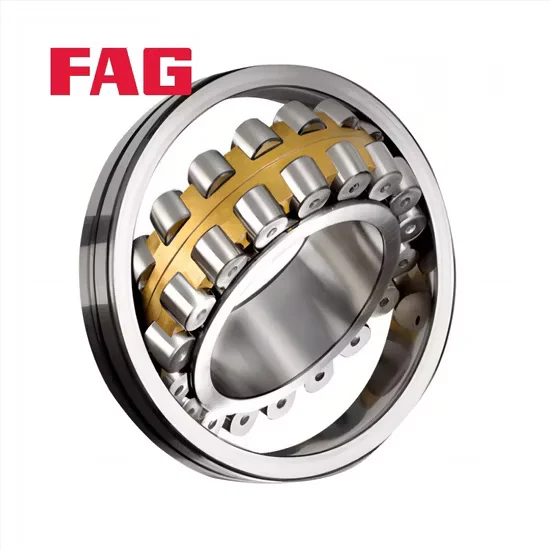
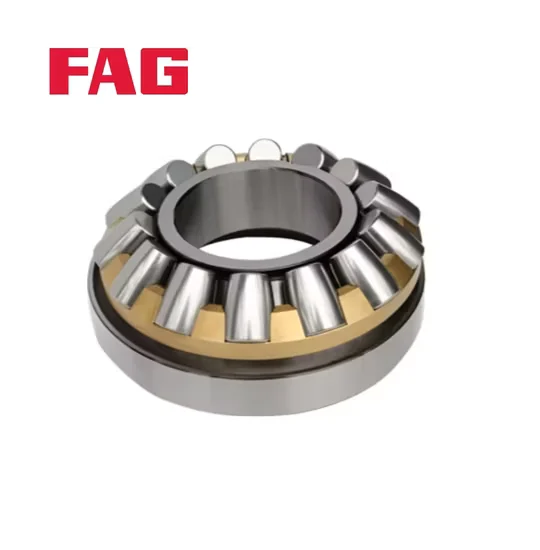
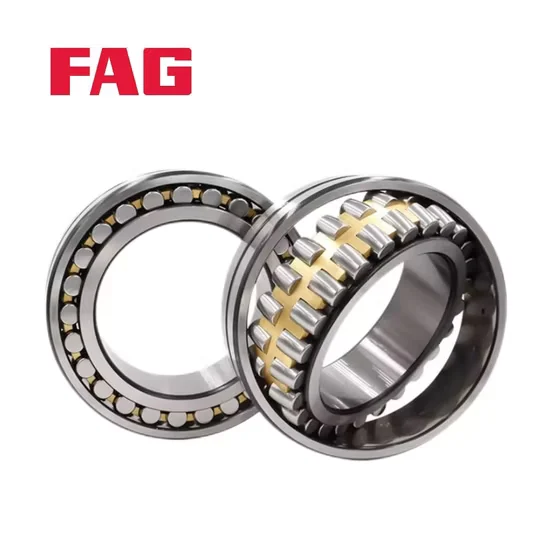
| Bearing Type | Spherical Roller Bearing |
| Structure | Double Row, Self-Aligning |
| Material | Chrome Steel Gcr15 |
| Cage Material | Machined Brass (M) |
| Clearance Class | C3 |
| Origin | Jiangsu China |
Note: The suffixes E1 and a are unverified and require manufacturer catalog confirmation for specific internal design nuances.
Application Suitability
| Industry | Typical Applications |
|---|---|
| Mining & Aggregates | Vibrating screens, Crushers |
| Pulp & Paper | Paper machines |
| Metals | Steel mill equipment |
Why Ignoring Suffix Details Destroys Spherical Roller Bearing Performance
Mismatched internal clearances and cage materials are the primary culprits behind catastrophic vibrating screen failures.
Early in my failure analysis career, I investigated a severe vibrating screen downtime incident. The maintenance team ordered a basic model, completely ignoring the critical suffixes. They installed a unit with a stamped steel cage and standard clearance. Under intense high-temperature and high-vibration conditions, the stamped cage suffered early fatigue fracture, while the insufficient internal clearance caused thermal expansion to lock the bearing completely. We resolved the issue permanently by upgrading to a FAG 23232-E1-a-M-C3 spherical roller bearing equipped with a machined brass cage and C3 clearance. Overlooking these exact suffix specifications leads to predictable, costly breakdowns.
Matching the Bearing to Heavy-Duty Operational Demands
Industrial processing environments demand components that withstand severe misalignment and shock loads without compromising structural integrity. The FAG 23232-E1-a-M-C3 spherical roller bearing addresses these exact challenges through its specialized internal geometry and durable cage design. Our engineering team provides comprehensive cross-reference consultation to ensure this specific configuration perfectly aligns with your OEM equipment requirements, eliminating guesswork during critical maintenance replacements and ensuring optimal machinery uptime.
Managing Extreme Load and Thermal Challenges
Vibrating screens and crushers subject rolling elements to relentless radial loads combined with severe shock impacts. The continuous operation generates substantial friction heat, which drastically affects internal clearance and lubrication film thickness. Without adequate thermal expansion allowance, the rolling elements bind against the raceways. Proper lubrication intervals and contamination control are equally vital to prevent abrasive particle ingress from the surrounding processing environment.
Decoding the Critical Internal Engineering
The machined brass cage provides exceptional structural rigidity, guiding the rollers precisely even under extreme vibration where stamped steel cages would easily deform or fracture. This solid brass construction dissipates heat efficiently and resists the aggressive centrifugal forces inherent in high-speed vibrating machinery. Furthermore, the C3 clearance class offers the necessary internal radial play to accommodate thermal expansion and shaft deflection during heavy-load operation. The double-row self-aligning structure automatically compensates for housing misalignment errors, preventing localized stress concentrations on the rollers.
The Hidden Financial Impact of Incorrect Selection
Selecting a standard clearance bearing for a high-heat application inevitably results in premature seizure, triggering unplanned downtime that halts the entire production line. Utilizing an inadequate cage material in high-vibration machinery accelerates fatigue spalling and catastrophic structural collapse. These avoidable failures void warranty protections and inflate maintenance budgets through secondary damage to adjacent shafts and housings. Adhering to failure analysis frameworks prevents these compounding financial losses.
Securing Reliable Supply and Technical Validation
Sourcing the exact FAG 23232-E1-a-M-C3 configuration requires strict verification, as the machined brass cage and C3 clearance are frequently mismatched with standard variants by unauthorized distributors. We maintain massive spot inventory covering thousands of specialized part numbers, ensuring rapid dispatch for urgent maintenance requirements without extended lead times. Our technical team validates every cross-reference request, ensuring the cage material, clearance class, and dimensional parameters align perfectly with your operational demands. Complete traceability documentation accompanies every shipment, providing verifiable proof of authenticity directly from the manufacturer's production facilities.
Documentation & Authenticity
- Certificate of Conformity verifying the exact FAG 23232-E1-a-M-C3 designation and manufacturing origin.
- Original factory batch traceability records linking the bearing to specific production runs.
- Scannable manufacturer QR codes for immediate digital authenticity verification of the M cage.
- Material inspection reports confirming metallurgical compliance for the internal rolling elements.
- Dimensional and running accuracy inspection reports validating self-aligning tolerances prior to dispatch.
Storage, Handling & Mounting
- Retain the original moisture-sealed packaging until installation to protect the machined brass cage.
- Store in a temperature-controlled environment to prevent condensation from compromising the C3 internal clearance.
- Use induction heating for mounting, ensuring even thermal expansion without damaging the solid brass cage.
- Avoid using carbon steel tools directly on the bearing surfaces to prevent cross-contamination.
- Verify the self-aligning housing seating surfaces are clean to allow the outer ring to pivot freely.
Initiating Technical Review and Procurement
To ensure optimal performance, please provide detailed operational parameters including specific radial and axial loads, operating speeds, and ambient temperature ranges. Supplying the exact OEM equipment model numbers allows our engineering team to perform precise cross-reference verification and L10 life recalculation. This technical validation guarantees the selected configuration perfectly matches your unique installation constraints and environmental conditions.
Frequently Asked Questions
Q: What documentation verifies the authenticity of the FAG 23232-E1-a-M-C3?
A: Every unit includes a Certificate of Conformity and original factory batch traceability records. You can scan the manufacturer's QR code directly on the packaging to digitally verify the production batch, ensuring the machined brass cage and C3 clearance match the official specifications before installation.
Q: Why must the cage and clearance suffixes align during cross-referencing?
A: Substituting a stamped steel cage or standard clearance in high-vibration, high-temperature applications leads to rapid fatigue fracture and thermal seizure. Ensuring the machined brass (M) and C3 suffixes match exactly guarantees the bearing can withstand the specific dynamic loads and thermal expansion of your vibrating screen.
Q: How does C3 clearance differ from standard clearance in heavy machinery?
A: Standard clearance operates well in normal temperature environments, but heavy machinery generates significant friction heat. The C3 clearance provides greater internal radial play, accommodating thermal expansion of the inner ring and preventing the rolling elements from binding against the raceways under extreme operational loads.
Q: What are the selection differences between machined brass and stamped steel cages?
A: Machined brass cages offer superior structural rigidity, heat dissipation, and resistance to high-vibration shock loads compared to stamped steel. While stamped steel is suitable for lighter, stable applications, the harsh conditions in crushers and vibrating screens strictly require the solid guidance and durability of brass.
Q: What is the proper mounting procedure for self-aligning roller bearings?
A: Mounting requires induction heating to expand the inner ring evenly without damaging the machined brass cage. Ensure the housing seating surfaces are perfectly clean so the outer ring can self-align freely, compensating for any minor shaft deflection or housing misalignment during operation.