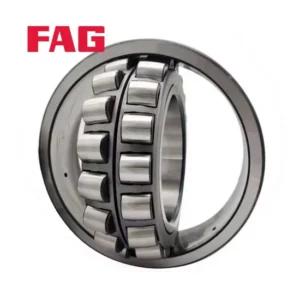


Product details
Description and application notes
Mixed-Brand Sourcing Consolidated — Procure this FAG unit alongside SKF or TIMKEN equivalents in a single consolidated shipment without juggling multiple vendors.
Technical Specifications
| Parameter | Value |
|---|---|
| Designation | FAG 24030-Be-XL-K30 |
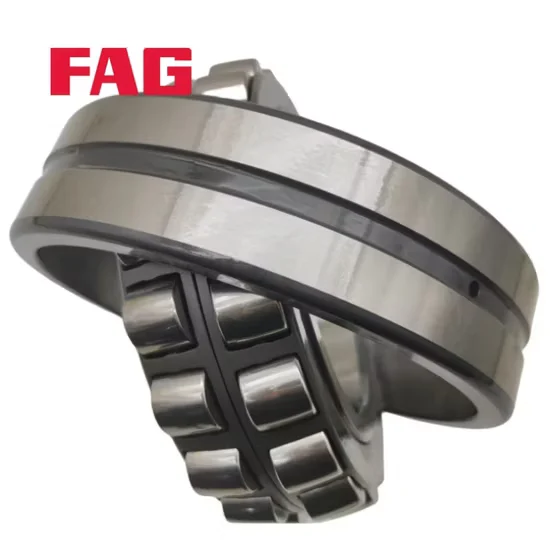
| Bearing Type | Spherical Roller Bearing |
| Structure | Double Row, Self-Aligning |
| Bore Type | Tapered Bore |
| Cage Material | Steel / Brass / Nylon (Options) |
| Precision Class | P0 / P2 / P4 / P5 / P6 (Options) |
| Main Material | Chrome Steel Gcr15 |
| Customization | Available |
Note: Suffixes Be, XL, and K30 require manufacturer catalog confirmation for specific design revisions.
Application Suitability
| Industry | Typical Applications |
|---|---|
| Mining & Construction | Vibrating screen shafts, Crusher eccentric mechanisms |
| Metallurgy & Steel Mills | Continuous casting machine rolls, Rolling mill guides |
| Pulp & Paper | Paper machine dryer cylinder supports |
Why Misaligned Shafts Destroy Standard Bearings Before the FAG 24030-Be-XL-K30 spherical roller bearing Yields
Self-aligning capabilities absorb housing deflections that would instantly fracture rigid bearing types.
During my early failure analysis days, I dismantled a continuous casting machine where maintenance crews used direct flame heating on the inner ring. This destroyed the metallographic structure, causing early spalling despite the bearing's inherent load capacity. In heavy metallurgy applications, thermal shock and shaft deflection demand more than just raw steel; they require precise installation and verified origin to prevent catastrophic downtime. Many facilities overlook the thermal limits of standard bearing steel when applying localized heat, leading to micro-cracking.
Matching the Spherical Roller Bearing to Heavy-Duty Environments
When sourcing the FAG 24030-Be-XL-K30 spherical roller bearing for vibrating screens or steel mill equipment, matching the exact cage and clearance to the operational vibration is critical. Our engineering team cross-references OEM equipment numbers to ensure the selected variant handles the specific shock loads and misalignment angles present in your facility. By analyzing the exact load spectrum, we prevent premature fatigue and ensure the component survives the harsh environmental conditions typical in mining and metallurgy sectors.
Operational Challenges and Performance Demands
Heavy-duty crushers and paper machines subject rotating elements to severe combined radial and axial loads alongside intense vibration. Elevated operating temperatures degrade standard lubricants, necessitating specialized greases and optimized relubrication intervals to prevent metal-to-metal contact. Furthermore, contaminated environments demand strict sealing protocols, while the tapered bore requires precise adapter sleeve tightening to maintain the correct internal clearance during thermal expansion. Ignoring the lubrication breakdown at elevated temperatures drastically accelerates surface wear and compromises the overall operational lifespan.
Decoding the Core Engineering Features
The double-row self-aligning structure of the FAG 24030-Be-XL-K30 spherical roller bearing inherently compensates for angular misalignment between the shaft and housing, protecting the raceways from edge loading. Buyers can select from steel, brass, or nylon cage options to match varying speed and vibration profiles; brass cages typically offer superior durability in high-vibration screens. The tapered bore design necessitates matching adapter or withdrawal sleeves, ensuring the inner ring expands correctly to achieve the target radial internal clearance without inducing excessive hoop stress. Properly interpreting these design features ensures the component performs reliably under continuous heavy radial loads.
The Hidden Costs of Incorrect Selection
Selecting an inappropriate clearance class or mismatching the adapter sleeve for the tapered bore often leads to unplanned downtime and catastrophic damage to the shaft journal. When the internal clearance is eliminated during mounting, the rolling elements skid, generating excessive heat and accelerating surface fatigue. Such premature failures void warranty claims and disrupt entire production lines, emphasizing the need for strict adherence to mounting protocols. Replacing a failed unit in a continuous casting line incurs massive secondary costs far beyond the component price.
Why Procure Through Our Supply Chain
Sourcing the FAG 24030-Be-XL-K30 spherical roller bearing requires verifying the exact suffix configuration, as misinterpreting the tapered bore designation frequently leads to ordering the wrong adapter sleeve. We provide complete batch traceability documentation and material inspection reports to confirm the chrome steel metallurgy meets original specifications. Our technical support extends beyond delivery, offering failure analysis guidance and cross-brand equivalent consultations if urgent maintenance requires immediate substitution from our massive spot inventory. This comprehensive approach eliminates the risk of receiving counterfeit or incorrectly specced replacements.
Documentation & Authenticity
- Original batch traceability documents verifying the metallurgical origin of the chrome steel components.
- Official manufacturer app QR code validation for each individual packaging unit.
- Dimensional and running accuracy inspection reports confirming the selected precision class.
- Certificate of Conformity matching the specific cage and bore suffix configuration.
Storage, Handling & Mounting
- Keep the tapered bore bearing in original packaging until mounting to prevent corrosion on the uncoated inner ring surface.
- Use induction heaters instead of open flames to preserve the metallographic structure of the Gcr15 chrome steel inner ring.
- Measure the drive-up distance and residual clearance carefully when mounting on the adapter sleeve to avoid crushing the cage.
- Apply clean gloves when handling the brass cage variants to prevent acidic sweat from initiating surface corrosion.
Technical Inquiry Guidelines
To facilitate accurate L10 life recalculation and technical verification, please share your specific radial and axial load profiles, operating speeds, and ambient temperature ranges. Providing the original OEM equipment designation allows our engineering team to cross-check the required clearance class and confirm the optimal cage material for your exact application.
Frequently Asked Questions
Q: How can I verify the authenticity and origin of this specific bearing?
A: You can verify authenticity by scanning the QR code on the packaging using the official manufacturer application. Additionally, we supply original batch traceability documents and material inspection reports that confirm the chrome steel origin and precision class, ensuring the product meets all required metallurgical standards before deployment in heavy machinery.
Q: What details must align when cross-referencing alternative models?
A: When cross-referencing models like the 24030-Be-XL or 24032-Be-XL, you must strictly align the internal clearance class, cage material, and precision rating. Even minor deviations in the bore profile or cage design can lead to improper fitment or inadequate vibration resistance, ultimately causing premature fatigue in high-load applications like vibrating screens.
Q: How do I choose between steel, brass, and nylon cages?
A: Brass cages offer superior durability and resistance to high vibration and shock loads, making them ideal for crushers and screens. Steel cages provide a cost-effective solution for standard industrial gearboxes, while nylon cages reduce weight and operate quietly but are restricted by lower thermal limits. Select based on your specific operational temperature and vibration intensity.
Q: What is the correct mounting approach for the tapered bore?
A: Mounting a tapered bore requires an appropriate adapter or withdrawal sleeve. You must calculate the exact drive-up distance to achieve the specified residual radial internal clearance. Over-tightening eliminates clearance and causes skidding, while under-tightening leads to inner ring creep on the shaft journal, both resulting in rapid operational failure.