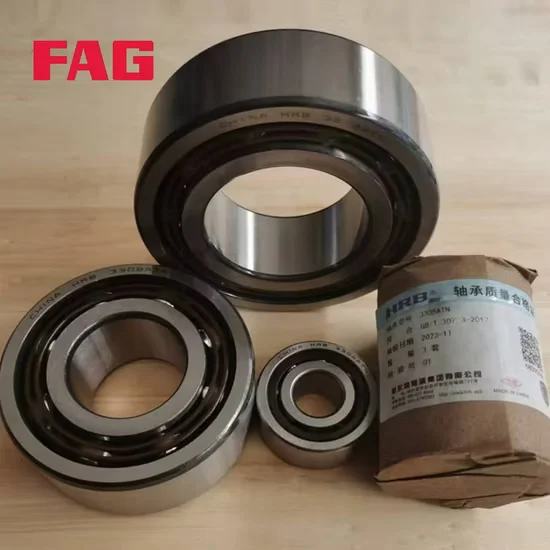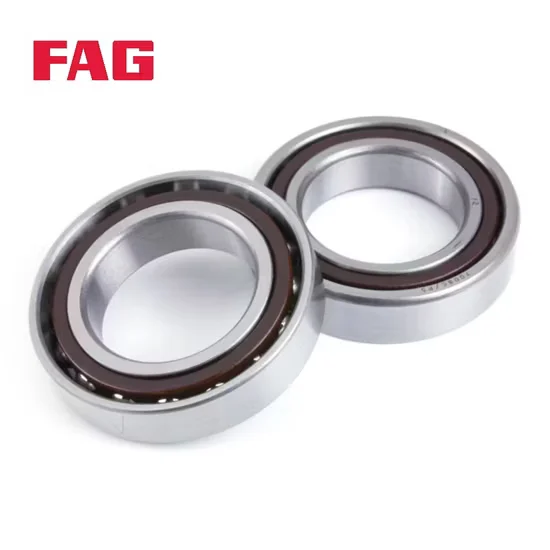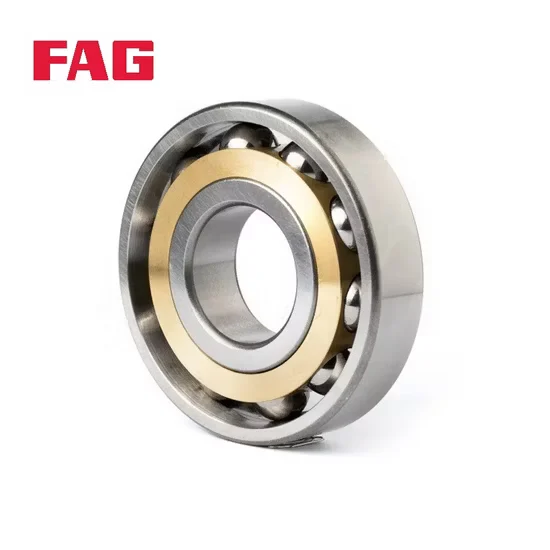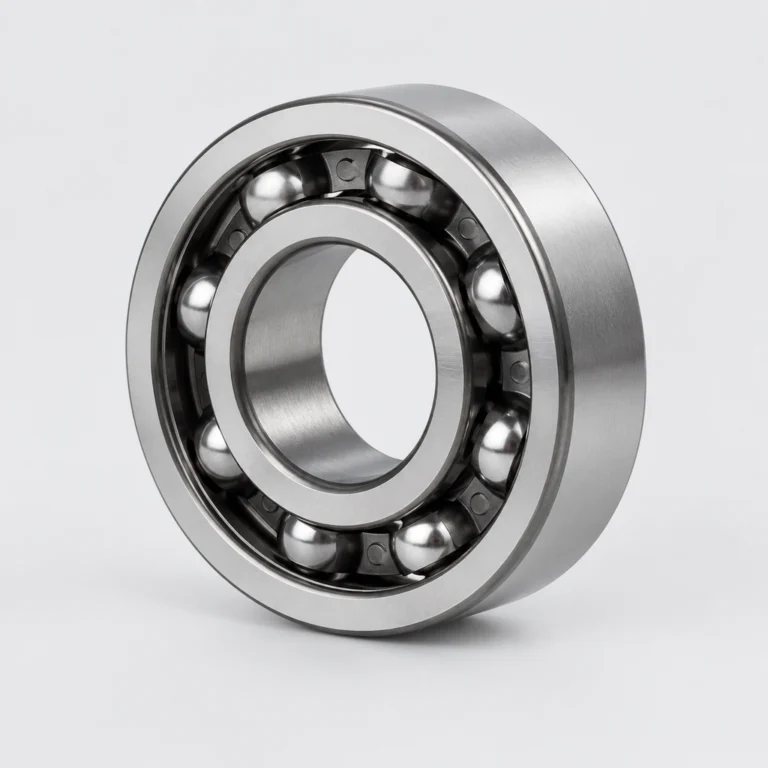

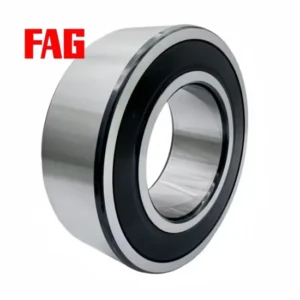
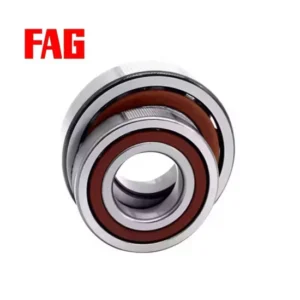
Product details
Description and application notes
Multi-Brand Sourcing Covered — Consolidate this spindle bearing with other premium lines in a single shipment without juggling multiple vendors.
Technical Specifications
| Parameter | Value |
|---|---|
| Designation | FAG B71914-C-T-P4s-Um |
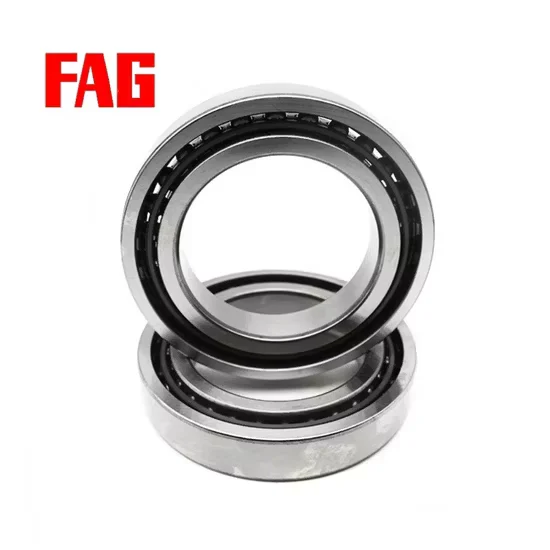
| Bearing Type | Angular Contact Ball Bearing |
| Precision Class | P4s (ISO) |
| Contact Angle | 15° (C) |
| Material | Steel |
| Arrangement | Single-Row |
| Origin | Jiangsu China |
Application Suitability
| Industry | Typical Applications |
|---|---|
| Machine Tool Manufacturing | High-speed machining center spindles |
| Industrial Automation | Precision robotic joint actuators |
| Fluid Machinery | High-speed pump shaft supports |
| Precision Equipment | Optical measuring device rotary tables |
Why Spindle Vibration Ruins More Than Just Surface Finish
Micro-vibrations compound into catastrophic thermal runaway.
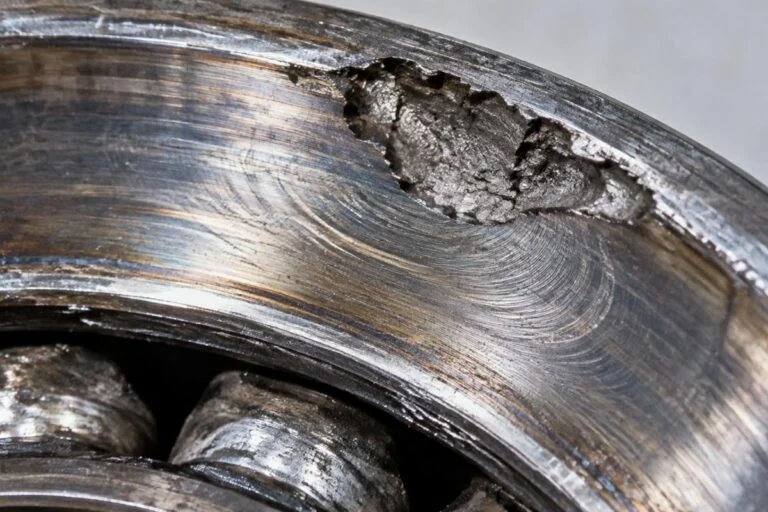
Early in my career analyzing failures, I saw a standard tolerance bearing seize a five-axis spindle during high-speed milling. The resulting thermal expansion destroyed the housing and ruined a batch of aerospace components. When sourcing a FAG B71914-C-T-P4s-Um angular contact ball bearing, ignoring the exact precision class and clearance invites similar unplanned downtime. Subtle harmonic vibrations not only degrade the surface finish of the machined parts but also accelerate tool wear, forcing frequent replacements and disrupting continuous production schedules across the entire machining cell.
Matching Super Precision to Demanding Machining Environments
Modern CNC spindles demand extreme rotational accuracy to maintain tight tolerances during continuous operations. This FAG B71914-C-T-P4s-Um angular contact ball bearing delivers the necessary running accuracy for such demanding setups. Our engineering team cross-references your specific spindle requirements to ensure the selected configuration matches the original equipment specifications perfectly. By aligning the bearing's internal geometry with the spindle's dynamic characteristics, we help manufacturers achieve superior part quality and extend the operational lifespan of their expensive cutting tools, ultimately maximizing the overall equipment effectiveness of the machining center.
Navigating High-Speed Thermal and Load Challenges
Spindle applications subject bearings to combined radial and axial loads while generating significant internal heat at elevated rotational speeds. This thermal buildup directly impacts internal clearance, making the initial preload and precision class critical for maintaining operational stability. Proper lubrication strategies must be implemented to manage friction without causing excessive churning losses. Furthermore, preventing coolant contamination requires careful attention to the sealing arrangement and mounting environment, as even microscopic particulate ingress can severely compromise the precision-ground raceways and lead to premature fatigue. Proper installation practices, including the use of clean environments and specialized mounting tools, are equally vital to preserve the engineered tolerances.
Decoding the Suffix String for Spindle Reliability
The nomenclature of this bearing reveals its specific engineering intent for machine tool applications. The 'C' designation confirms a 15° contact angle, optimizing the balance between radial rigidity and axial thrust capacity for high-speed cutting. The P4s precision class guarantees exceptionally tight dimensional and running accuracy tolerances, which are mandatory for minimizing spindle runout. Standard bearing steel construction provides reliable load-carrying capacity under continuous machining loads. For applications requiring even higher speed capabilities or enhanced insulation properties, variants featuring ceramic rolling elements or specialized polyamide cage materials are often evaluated as alternative options. Maintaining this exact precision requires strict adherence to the specified arrangement, mounting tools, and preload conditions during the final assembly phase.
The Compounding Financial Impact of Precision Mismatches
Installing a bearing with an incorrect contact angle or inadequate precision class rarely results in immediate failure, but rather accelerates wear in subtle ways. This gradual degradation leads to poor surface finishes, scrapped parts, and eventually catastrophic spindle seizure. According to failure analysis frameworks like ISO 15243, such premature failures are frequently traced back to specification mismatches rather than material defects. The resulting unplanned downtime, combined with the cost of replacing damaged spindle housings and ruined workpieces, far exceeds the initial investment in the correct super precision component.
Securing Authentic Spindle Components Through Verified Channels
Sourcing genuine super precision components requires more than just finding a part number in a database. We provide complete batch traceability documentation for every spindle bearing, ensuring the P4s tolerance you receive is exactly what left the manufacturer's production facilities. Our massive spot inventory covers thousands of standard and special part numbers, allowing us to fulfill urgent maintenance requirements without enduring typical multi-week lead times. When cross-referencing equivalents, our technical team verifies the exact contact angle and arrangement suffixes to prevent mismatched preload conditions. Furthermore, we consolidate mixed-brand orders and coordinate global shipping, so you can source this component alongside other drive train parts efficiently.
Documentation & Authenticity
- Certificate of Conformity validating the P4s precision class and dimensional tolerances.
- Original batch traceability records linking the physical bearing to the manufacturer's production facilities.
- Running accuracy inspection reports confirming spindle runout limits before dispatch.
- Material test certificates verifying the metallurgical composition of the bearing steel rings.
Storage, Handling & Mounting
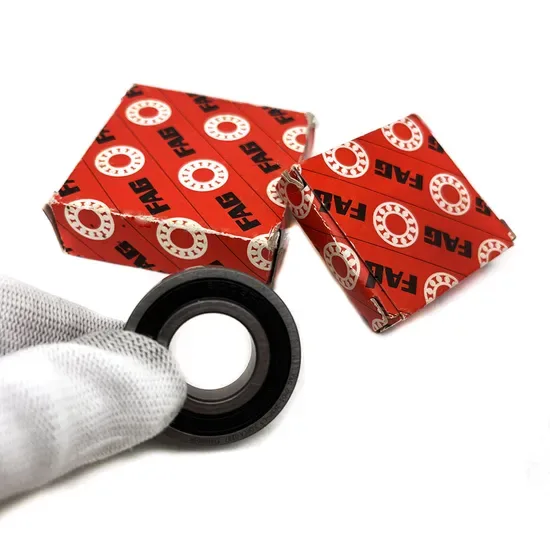
- Store the single-row bearing in its original packaging to protect the precision-ground raceways from humidity.
- Use clean lint-free gloves when handling to prevent skin acids from corroding the steel surfaces.
- Maintain the factory-applied rust preventive coating until the exact moment of spindle assembly.
- Follow strict induction heating protocols if mounting the inner ring, avoiding localized overheating of the P4s components.
Engineering Review for Spindle Integration
To ensure optimal spindle performance, please share your specific radial and axial load profiles along with the maximum operational speed and expected duty cycle. Providing the original equipment manufacturer's part number allows our engineering team to perform a thorough cross-reference verification. We also recommend detailing the operating temperature range and lubrication method to confirm the selected configuration aligns with your application, ensuring you receive the exact technical support needed for a flawless installation.
Frequently Asked Questions
Q: How do I verify the authenticity and traceability of this spindle bearing?
A: We supply comprehensive batch traceability documentation with every order, linking the physical component directly to the manufacturer's production records. You can also utilize official verification tools or scan the QR codes on the packaging to authenticate the product and confirm its genuine origin before installation.
Q: What does the P4s precision class mean compared to standard P4?
A: The P4s designation indicates a specialized precision tier optimized for machine tool spindles, offering tighter running accuracy and dimensional tolerances than standard P4 or ABEC 7 grades. This enhanced precision is critical for minimizing vibration and maintaining strict machining tolerances during high-speed continuous operations.
Q: How should I interpret the specific suffixes for proper replacement?
A: The 'C' denotes a 15° contact angle, and 'P4s' confirms the precision class. The 'T' and 'Um' suffixes appear in this designation but remain unverified in standard catalogs; always consult the manufacturer's latest documentation to confirm their exact meaning for your specific spindle replacement.
Q: What are the recommended mounting procedures for super precision bearings?
A: Mounting requires a clean environment and specialized tools to prevent contamination and physical damage to the precision-ground raceways. Always use induction heaters with temperature controls for the inner ring, and apply the correct axial preload during assembly to ensure the bearing achieves its designed rigidity and operational lifespan.
Q: How do I select the correct contact angle for my spindle loads?
A: A 15° contact angle provides an excellent balance for high-speed applications with moderate axial loads, typical in many milling spindles. If your application involves heavier axial cutting forces, a 25° angle might be necessary. Share your specific load data so our team can recommend the optimal configuration.