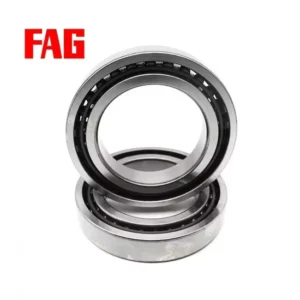
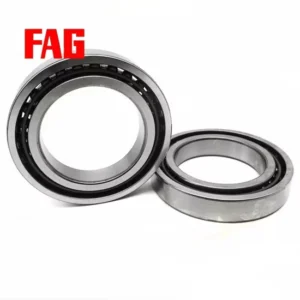
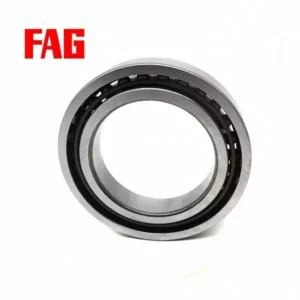
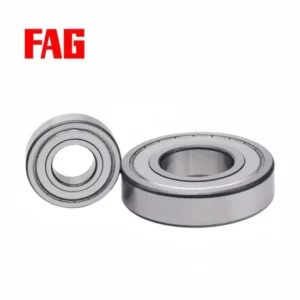
Product details
Description and application notes
Mixed-Brand Sourcing — Consolidate this spindle bearing with other premium lines in a single shipment without juggling multiple vendors.
Technical Specifications
| Parameter | Value |
|---|---|
| Designation | HS71913-E-T-P4s-UL FAG |
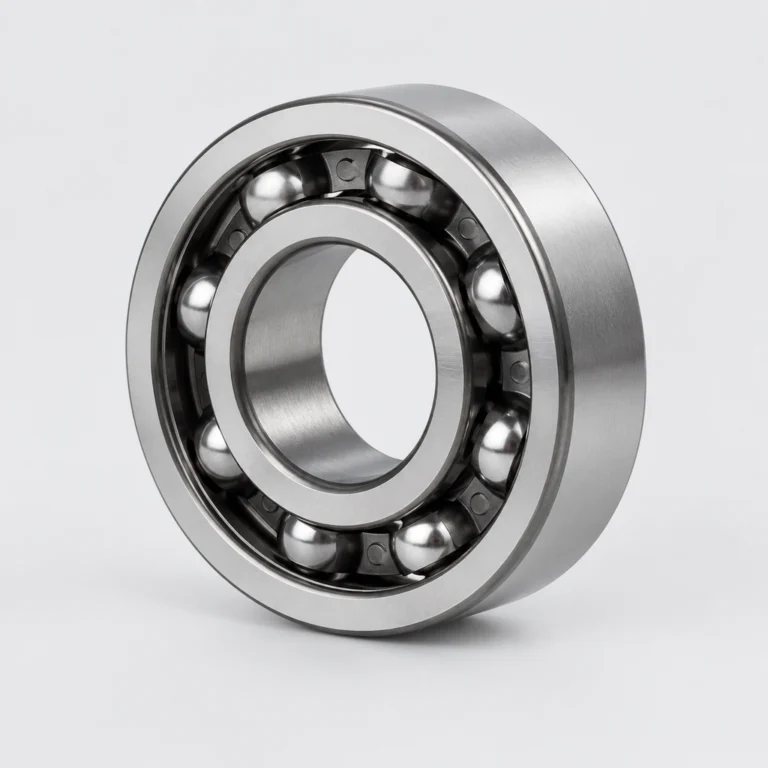
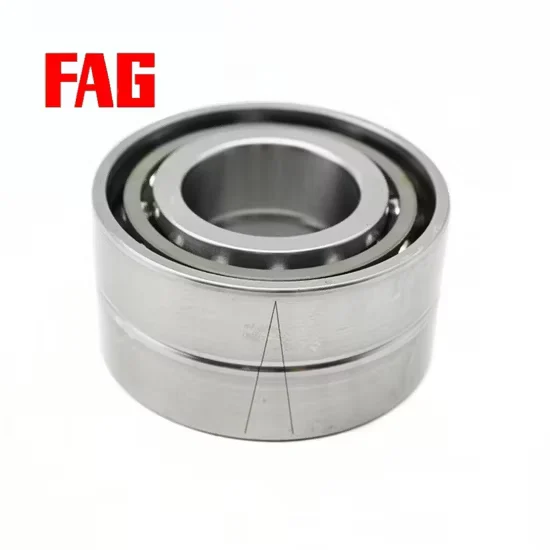
| Bearing Type | Angular Contact Ball Bearing |
| Bore Diameter (d) | 65 mm |
| Outside Diameter (D) | 90 mm |
| Width (B) | 13 mm |
| Precision Class | P4s |
| Contact Angle | 25° |
| Cage Material | Resin |
| Material | Steel |
| Arrangement | Single-row, universal matching |
Application Suitability
| Industry | Typical Applications |
|---|---|
| Machine Tool Manufacturing | High-speed milling and grinding spindles |
| Precision Engineering | Rotary tables and precision indexing heads |
| Industrial Automation | High-frequency robotic arm joints |
Why Standard Tolerances Destroy High-Speed Spindles
Precision class dictates thermal stability under extreme rotational velocities.
During my years supplying machine tool components, I witnessed a facility in Riyadh substitute a standard P0 tolerance bearing for a required P4s grade. The resulting vibration led to severe thermal expansion and shaft seizure. Upgrading to the correct specification stabilized the temperature rise. Selecting the right FAG HS71913-E-T-P4s-UL angular contact ball bearing prevents these failures, as dimensional deviations at high RPMs amplify exponentially.
Matching Spindle Dynamics to Bearing Architecture
Sourcing authentic components with complete traceability is critical for precision machining environments. When integrating a FAG HS71913-E-T-P4s-UL angular contact ball bearing into high-speed equipment, the universal matching design allows flexible stacking configurations without custom grinding. Our supply chain ensures these specific spindle grades are sourced directly from authorized channels, eliminating the risk of counterfeit tolerances that plague the secondary market.
Navigating High-RPM Thermal and Load Challenges
Spindle applications subject bearings to combined radial and axial loads while generating significant internal friction heat. At elevated speeds, standard steel cages struggle with centrifugal forces, making lightweight resin cages essential for reducing inertia and maintaining lubricant film integrity. Furthermore, the 25° contact angle provides a crucial balance, supporting the heavy axial thrust typical in milling operations without sacrificing radial rigidity. Proper oil-air or grease lubrication intervals must be strictly maintained to prevent raceway smearing.
Decoding the Suffix Engineering
The "E" suffix confirms a 25° contact angle, optimizing load distribution for axial forces during heavy cutting. The "P4s" precision class guarantees tight running accuracy, minimizing spindle runout for superior surface finishes. Universal matching allows these single-row units to be mounted in back-to-back or tandem arrangements directly from the factory without selective fitting. The resin cage lowers the friction coefficient compared to brass, enabling higher limiting speeds.
The Hidden Costs of Incorrect Spindle Selection
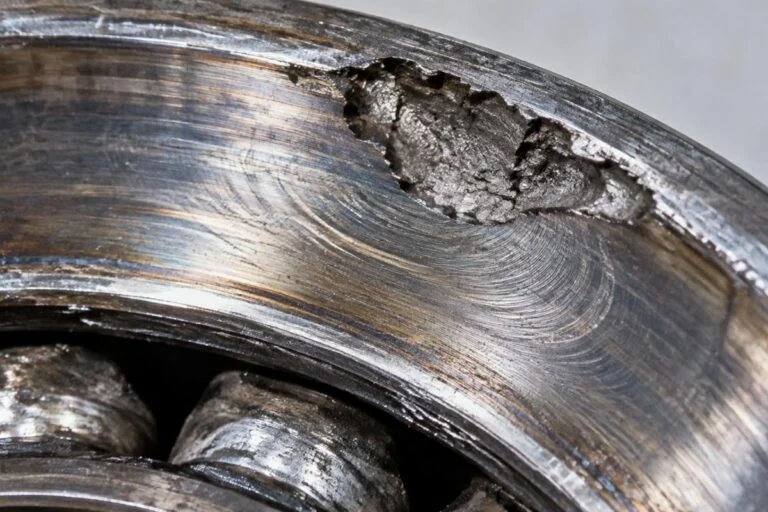
Installing an improperly graded bearing inevitably leads to unplanned downtime and catastrophic damage to the spindle housing. According to the failure mode classification per ISO 15243, inadequate running accuracy directly accelerates fatigue spalling and raceway degradation. A premature spindle rebuild not only voids equipment warranties but also halts production lines for extended periods, costing significantly more than the initial component investment.
Securing Authentic Spindle Components
Sourcing genuine precision bearings demands rigorous verification. We specialize in cross-referencing complex spindle suffixes to ensure the exact preload matches your OEM requirements, preventing the mistake of mixing incompatible universal pairs. Our inventory allows flexible consolidation shipments that reduce international freight costs. Every unit ships with complete batch traceability, and our technical team provides post-installation failure analysis support if unexpected operational anomalies arise.
Documentation & Authenticity
- Original factory batch traceability documents verifying the P4s manufacturing lot.
- Dimensional and running accuracy inspection reports confirming tight spindle tolerances.
- Certificate of Conformity validating the 25° contact angle and resin cage specifications.
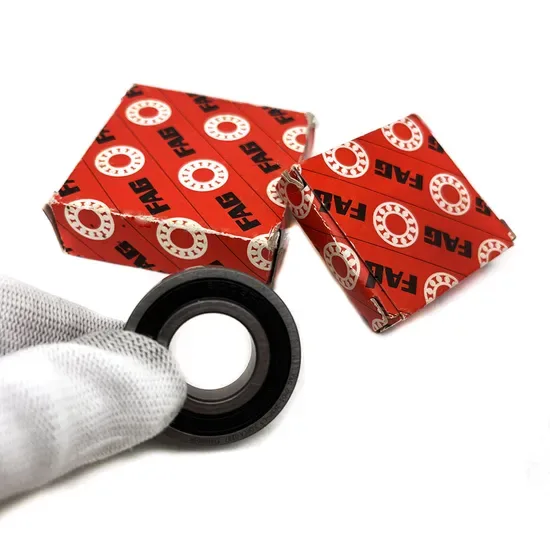
- Anti-counterfeit verification guides for validating the physical packaging and labels.
Storage, Handling & Mounting
- Keep the universal matched sets sealed in original packaging until installation to preserve the factory preload markings on this UL arrangement.
- Use clean, lint-free gloves when handling the P4s precision raceways to prevent microscopic corrosion from skin moisture.
- Apply induction heating strictly to the inner ring only, avoiding thermal damage to the lightweight resin cage.
- Follow the specific mounting sequence for back-to-back or face-to-face arrangements to maintain the designated 25° contact angle preload.
- Store in a climate-controlled environment to prevent condensation from compromising the high-precision steel surfaces.
Engineering Review & Inquiry Guidelines
To ensure optimal spindle performance, please provide your specific radial and axial load profiles, maximum operational RPM, and target operating temperature. Sharing the exact OEM equipment model number allows our engineering team to perform a thorough cross-reference check and L10 life calculation. This technical review guarantees the selected configuration perfectly aligns with your machining tolerances and maintenance intervals.
Frequently Asked Questions
Q: How does P4s precision compare to standard P4 or ABEC classifications?
A: The P4s designation represents a specialized spindle tolerance class featuring tighter running accuracy than standard P4 or ABEC 7 grades. This enhanced precision minimizes vibration and thermal displacement in high-speed machine tool spindles, ensuring superior surface finishes during continuous milling operations without requiring excessive preload adjustments.
Q: What do the unverified suffixes mean for this specific spindle bearing?
A: While standard catalogs define E for contact angle and P4s for precision, suffixes like HS, T, and UL can indicate specialized internal geometries, specific resin cage materials, or universal matching preload levels. We always verify these exact factory definitions against the manufacturer's current technical documentation to ensure the bearing perfectly matches your spindle's unique assembly requirements.
Q: How to verify the authenticity and traceability of these spindle bearings?
A: Authenticity is confirmed through original factory batch traceability documents, physical packaging security features, and official brand verification tools. We supply comprehensive dimensional and running accuracy inspection reports that validate the P4s tolerances, ensuring every unit meets the stringent quality standards required for precision machining applications before it leaves our facility.
Q: What are the recommended mounting practices for precision angular contact bearings?
A: Mounting requires meticulous cleanliness and precise thermal management. Induction heating should only be applied to the inner ring to protect the resin cage, and matched sets must be installed in the exact factory-marked sequence. Proper locking nut torque and axial preload measurement are critical to achieving the designed rigidity and preventing premature raceway fatigue.