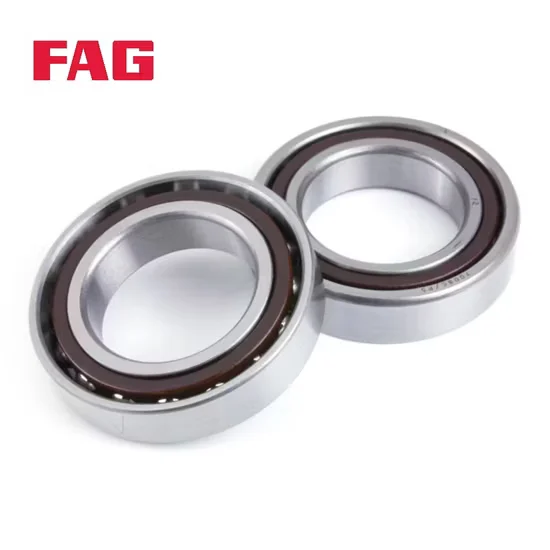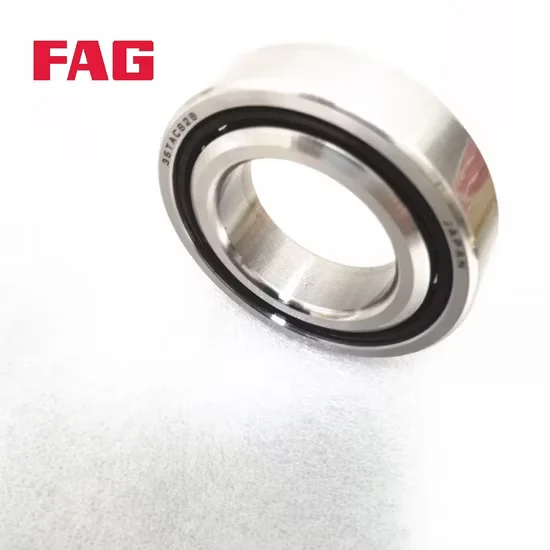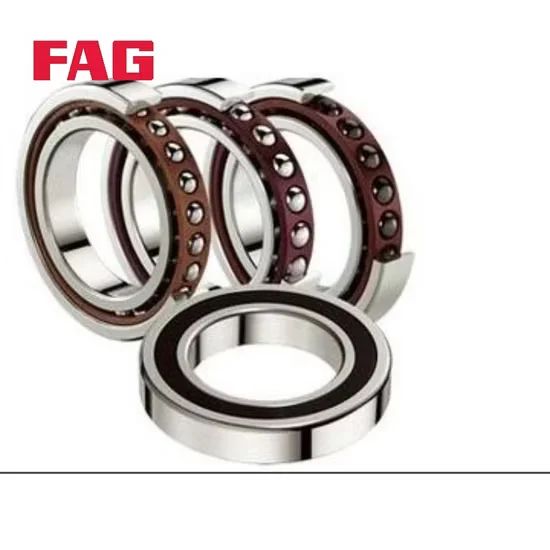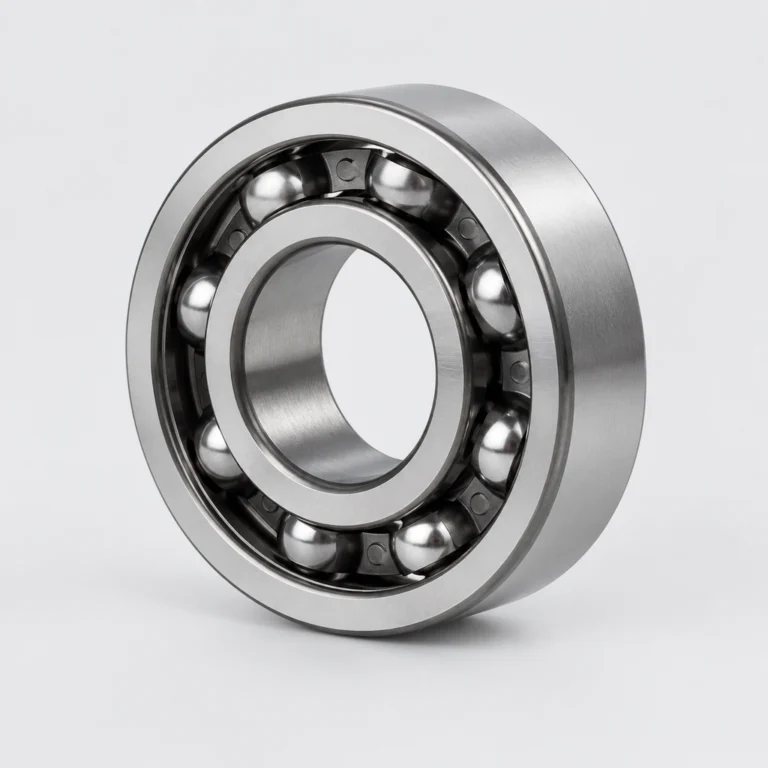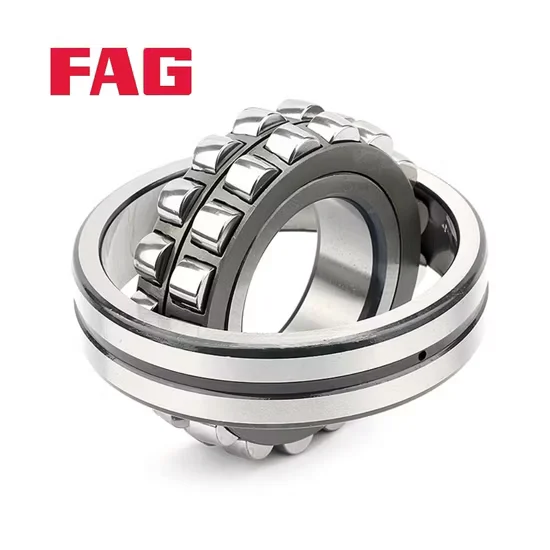


Product details
Description and application notes
Original Batch Traceability — Every FAG 22326-E1-XL-K-T41A-C3 spherical roller bearing ships with verifiable manufacturer lot documentation to ensure authentic provenance.
Technical Specifications
| Parameter | Value |
|---|---|
| Designation | FAG 22326-E1-XL-K-T41A-C3 |
| Bearing Type | Spherical Roller Bearing |
| Bore Type | 1:12 tapered bore |
| Clearance Class | C3 |
| Arrangement | Double row, self-aligning |
| Material | Chrome steel or alternative alloy variants |
| Cage Material | Steel, brass, or polymer cage options |
Application Suitability
| Industry | Typical Applications |
|---|---|
| Mining & Aggregates | Vibrating screen eccentric shafts, crusher main frames |
| Pulp & Paper | Paper machine dryer section rolls |
| Metallurgy | Steel mill continuous casting equipment |
Why Vibrating Screens Destroy Standard Clearances Before the Steel Fails
Thermal expansion in high-frequency screening equipment rapidly eliminates standard internal gaps, leading to catastrophic seizure.
I once analyzed a catastrophic failure on a mining vibrating screen where a standard clearance bearing locked up completely under operational heat. The friction generated by continuous high-frequency vibration drives the inner ring temperature significantly beyond the housing temperature. When procurement ignores the thermal expansion differential, the rolling elements bind against the raceway. Selecting the correct FAG 22326-E1-XL-K-T41A-C3 spherical roller bearing with adequate internal gap prevents this premature mechanical binding.
Matching the Tapered Bore to Heavy-Duty Screening Loads
The 1:12 tapered bore allows secure mounting on adapter sleeves, which is critical for maintaining tight interference fits under severe radial and axial loads. Proper drive-up measurements ensure the residual clearance remains within the optimal operating window. Procurement engineers can rely on our cross-reference validation to confirm that this FAG 22326-E1-XL-K-T41A-C3 spherical roller bearing aligns perfectly with the original equipment manufacturer's shaft specifications.
Managing High-Frequency Vibration and Thermal Cycles
Vibrating screens subject bearings to extreme centrifugal forces and continuous shock loading, demanding a cage design that resists fatigue. The operational environment typically involves heavy dust and moisture ingress, making effective sealing or external lubrication purging essential. Elevated ambient temperatures combined with frictional heat dictate the necessity of a larger internal clearance to accommodate differential thermal expansion. Inadequate lubrication intervals in these high-cycle applications quickly degrade the rolling contact surfaces.
Decoding the Internal Geometry and Clearance Selection
The C3 clearance class provides the necessary thermal expansion allowance for applications where the inner ring runs hotter than the outer ring. The K suffix indicates the 1:12 tapered bore, requiring precise mounting procedures to avoid over-tightening and eliminating the operational gap. Double row self-aligning arrangements accommodate minor shaft misalignments caused by structural deflection in heavy machinery frames. While standard bearings might suffice for static loads, dynamic screening forces demand optimized raceway profiles to distribute stress evenly. The specific cage material—whether steel, brass, or polymer—must be matched to the vibration frequency and operating temperature of the specific machine zone.
The Hidden Downtime Costs of Incorrect Suffix Matching
Specifying a standard clearance instead of C3 in high-temperature vibrating applications inevitably leads to unplanned downtime and catastrophic raceway spalling. Over-tightening a tapered bore bearing during installation crushes the internal gap, causing immediate seizure upon startup. Ignoring the specific cage design requirements for high-frequency vibration accelerates fatigue cracking in the cage pockets. These misalignments between application demands and bearing specifications void warranties and multiply replacement costs.
Securing Authentic Components for Critical Machinery
Sourcing genuine components is critical, as counterfeit bearings often fail to meet the metallurgical standards required for heavy-duty screening. We provide complete batch traceability for every FAG 22326-E1-XL-K-T41A-C3 spherical roller bearing, ensuring the internal geometry matches the manufacturer's original specifications. Our technical team verifies the exact suffix combinations, preventing the common procurement error of substituting standard clearance for high-clearance variants. We maintain massive spot inventory to support urgent MRO requirements, minimizing equipment downtime. Furthermore, our consolidation shipping capabilities allow mixed-brand orders to be dispatched efficiently to global mining and industrial sites.
Documentation & Authenticity
- Certificate of Conformity validating the original manufacturer lot number for this specific tapered bore design.
- Official QR verification codes linking directly to the manufacturer's authenticity database.
- Material inspection reports confirming the chrome steel alloy composition and heat treatment hardness.
- Dimensional and running accuracy inspection records verifying the C3 internal clearance tolerances before dispatch.
Storage, Handling & Mounting
- Store the tapered bore bearing in its original moisture-proof packaging until immediately before induction heating to prevent raceway corrosion.
- Use calibrated drive-up measurement tools during mounting to ensure the 1:12 taper achieves the correct residual C3 clearance without crushing the gap.
- Keep the bearing away from direct sunlight and extreme temperature fluctuations to protect the factory-applied rust preventative coating.
- Wear clean lint-free gloves when handling the exposed rolling elements to prevent acidic skin moisture from initiating micro-pitting.
- Align the adapter sleeve and lock nut precisely to avoid introducing axial stress that could compromise the self-aligning capability.
Engineering Review and Procurement Next Steps
To ensure optimal service life, please share your specific radial and axial load profiles, operating temperatures, and shaft speed parameters for a comprehensive L10 life calculation. Providing the original equipment manufacturer's part number allows our engineering team to perform a precise cross-reference validation. This technical review guarantees the selected internal clearance and cage configuration perfectly match your vibrating screen or crusher application.
Frequently Asked Questions
Q: How do I verify the authenticity of the FAG 22326-E1-XL-K-T41A-C3 spherical roller bearing?
A: Authenticity is confirmed through official traceability tools. We supply the original batch lot number and a Certificate of Conformity with every shipment. Buyers can scan the QR codes on the packaging to verify the production origin and ensure the internal specifications match the genuine catalog data.
Q: What is the practical difference between standard CN clearance and C3 clearance in this application?
A: Standard CN clearance is designed for normal operating temperatures and typical fits. The C3 clearance provides a larger internal gap, which is essential for vibrating screens where the inner ring operates at significantly higher temperatures than the housing. This extra gap prevents thermal expansion from eliminating the operational clearance and causing seizure.
Q: How should I interpret the unverified suffixes like E1, XL, and T41A for specific applications?
A: These specific suffixes relate to internal design enhancements, optimized raceway profiles, or specialized cage configurations that require exact manufacturer catalog confirmation. We cross-reference these designations against the official engineering documentation to ensure the bearing meets the specific load and vibration requirements of your heavy-duty equipment.
Q: What are the recommended mounting practices for the 1:12 tapered bore (K suffix)?
A: Mounting a tapered bore bearing requires precise drive-up measurements using feeler gauges or dial indicators to monitor the reduction in internal clearance. The bearing must be driven up the adapter sleeve just enough to achieve the optimal interference fit while preserving the required residual C3 clearance, preventing over-tightening and premature failure.