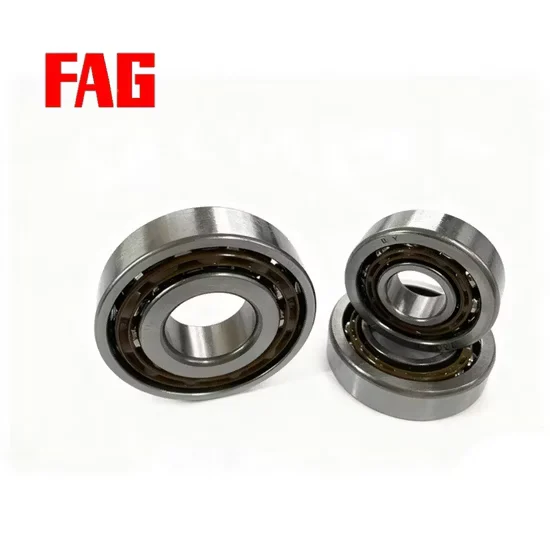


Product details
Description and application notes
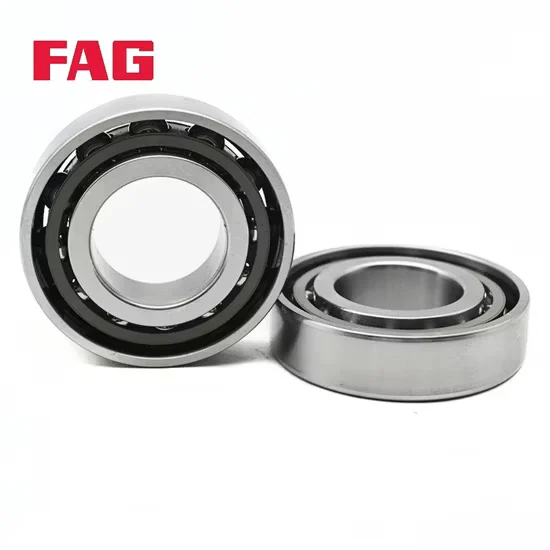
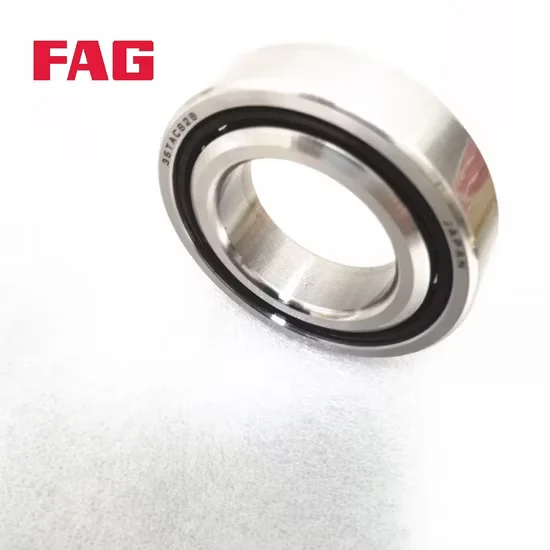
Original Batch Traceability — Every FAG B71901-E-T-P4s-Um angular contact ball bearing ships with verifiable factory batch documentation to guarantee absolute authenticity and precision compliance.
Technical Specifications
| Parameter | Value |
|---|---|
| Designation | FAG B71901-E-T-P4s-Um |
| Bearing Type | Angular Contact Ball Bearing |
| Bore Diameter (d) | 12 mm |
| Outside Diameter (D) | 24 mm |
| Width (B) | 6 mm |
| Precision Class | P4s (ISO) |
| Contact Angle | 25° |
| Material | Steel (ceramic or stainless steel variants available) |
Note: The B, T, and Um suffixes are unverified and require official manufacturer catalog confirmation prior to installation.
Application Suitability
| Industry | Typical Applications |
|---|---|
| Machine Tool Manufacturing | High-speed spindle assemblies requiring tight running accuracy and minimal radial runout |
| Precision Equipment | Robotics joint actuators, high-speed pump shafts, and precision grinding mechanisms |
Why Spindle Vibration Ruins Machining Tolerances Before the FAG B71901-E-T-P4s-Um angular contact ball bearing Even Fails
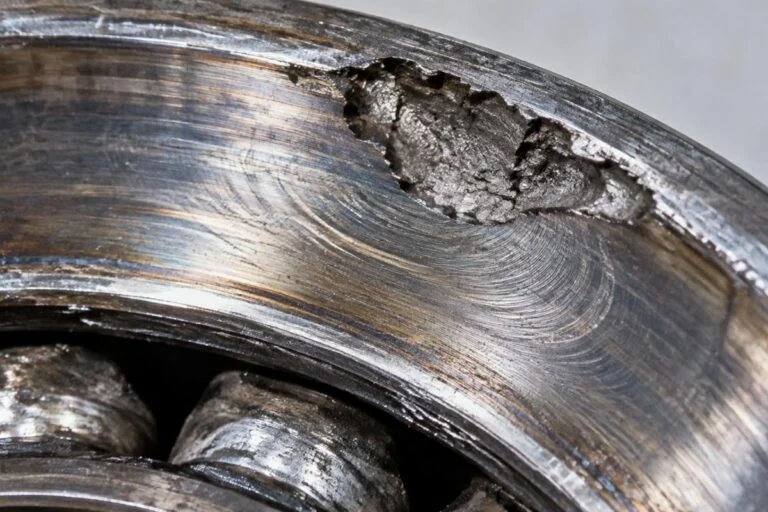
Micro-vibrations from mismatched precision classes destroy surface finishes long before catastrophic bearing seizure occurs.
In Dubai, I investigated a machine tool spindle overheating issue where standard precision bearings were mistakenly installed in P4s-rated housings. The resulting vibration scrapped expensive components and halted production. Selecting the exact FAG B71901-E-T-P4s-Um angular contact ball bearing ensures the dimensional tolerances match the spindle's strict requirements, preventing these costly hidden failures.
Matching Precision to High-Speed Spindle Demands
Machine tool spindles demand exceptional rotational accuracy to maintain tight machining tolerances during continuous operation. The FAG B71901-E-T-P4s-Um angular contact ball bearing delivers the necessary P4s precision class, minimizing radial runout during high-speed operations. Our sourcing network ensures these specific high-precision units are pulled from verified inventory, avoiding the common trap of receiving downgraded standard classes that compromise the entire machining process.
Managing Thermal Growth and Axial Thrust in Spindles
High-speed machining generates significant heat, causing shaft expansion that alters internal bearing clearance and preload. The 25° contact angle effectively manages the combined radial and axial loads typical in complex spindle configurations. Proper lubrication is critical here; oil-air or oil-mist systems are often required to dissipate heat without creating excessive churning friction. Contamination from coolant mist also demands strict handling protocols during the installation phase.
Decoding the Suffix Architecture for Spindle Reliability
The nomenclature of this bearing dictates its exact operational boundaries and performance capabilities. The 'E' suffix confirms the 25° contact angle, optimizing the internal load distribution for combined forces encountered during heavy cutting. The 'P4s' designation guarantees ultra-precise running accuracy, which is absolutely non-negotiable for preventing chatter marks on machined surfaces and ensuring mirror-like finishes. Understanding these specific designations prevents costly procurement errors and ensures the component matches the engineering blueprint.
The Hidden Financial Drain of Precision Downgrades
Substituting a true P4s bearing with a standard P4 or P0 equivalent might save upfront procurement costs but triggers severe downstream financial penalties. Unplanned downtime halts the entire production line, while premature failure leads to catastrophic damage to the spindle housing and shaft. According to ISO 281 frameworks, operating a bearing outside its specified precision and load parameters drastically reduces its calculated fatigue life, ultimately voiding equipment warranties.
Securing Authentic Spindle Bearings Through Rigorous Verification
Sourcing genuine high-precision components requires much more than just a simple part number match. We verify the exact P4s tolerance and 25° contact angle against official specifications to prevent the disastrous mismatches I witnessed in the Middle East. Our flexible consolidation allows you to mix this precise spindle bearing with heavy-duty spherical rollers in a single shipment. Furthermore, our technical team provides cross-reference validation, ensuring the alternative 7002db model aligns perfectly in clearance and precision if substitution is needed.
Documentation & Authenticity
- Original factory batch traceability documents verifying the P4s precision grade and manufacturing origin.
- Official app QR code validation confirming genuine production and preventing counterfeit infiltration.
- Dimensional inspection reports proving the 25° contact angle and strict bore tolerances.
- Material certification ensuring the steel composition meets rigorous ISO spindle requirements.
Storage, Handling & Mounting
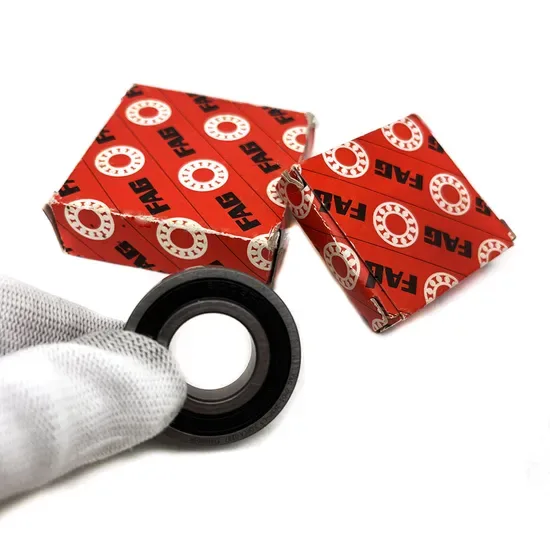
- Keep the P4s precision bearing in its original vacuum-sealed packaging to prevent microscopic dust contamination.
- Use clean, lint-free gloves when handling the 12mm bore to avoid skin acidity causing localized corrosion.
- Store the steel components in a climate-controlled environment to prevent thermal distortion before final spindle assembly.
- Follow strict cleanroom protocols during mounting to protect the ultra-precise raceways from environmental debris.
Engineering Review for Spindle Integration
To ensure optimal spindle performance, please share your specific radial and axial load profiles alongside operating speeds. Providing the OEM machine tool model number allows our engineering team to validate the cross-reference to 7002db and confirm dimensional interchangeability. This technical review guarantees the selected configuration matches your exact machining tolerance requirements and prevents costly installation delays.
Frequently Asked Questions
Q: How does the P4s precision class differ from standard P4 in spindle applications?
A: The P4s class enforces significantly tighter tolerances on running accuracy and dimensional deviations compared to standard P4. This ultra-precision minimizes spindle runout, which is absolutely critical for achieving mirror surface finishes and holding tight machining tolerances during continuous high-speed operations.
Q: What should I consider when cross-referencing this model with 7002db?
A: When evaluating the 7002db cross-reference, you must carefully verify that the internal clearance, cage design, and precision class align perfectly. Mismatched preload or contact angles in the substitute part will cause severe vibration and premature spindle failure during high-speed operation.
Q: How can I verify the authenticity of the received spindle bearings?
A: You can authenticate the components by scanning the packaging QR code using the official manufacturer app, which links directly to the production batch. We also provide original traceability documentation and detailed dimensional inspection reports to confirm the P4s specifications before shipment.
Q: Why is the 25° contact angle critical for machine tool spindles?
A: The 25° contact angle, designated by the E suffix, optimizes the bearing to handle the combined radial and axial loads typical in spindle configurations. This specific geometry maintains rigidity under heavy cutting forces while supporting the high rotational speeds required.