

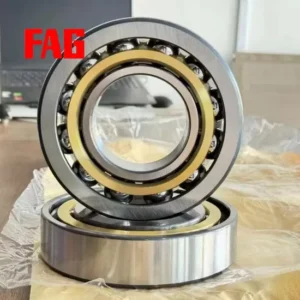

Product details
Description and application notes
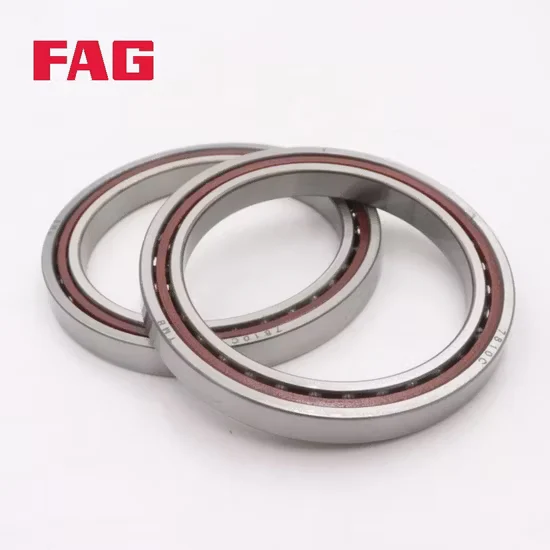
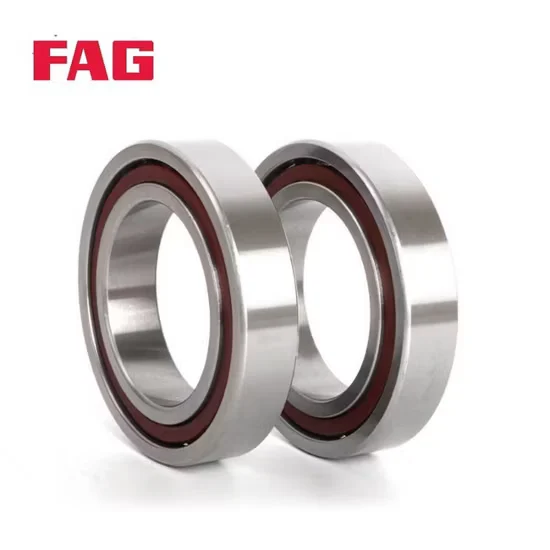
Full Traceability Guaranteed — Every FAG B7012-C-T-P4s-Dul angular contact ball bearing ships with verifiable batch documentation linking directly to the manufacturer's production facilities.
Technical Specifications
| Parameter | Value |
|---|---|
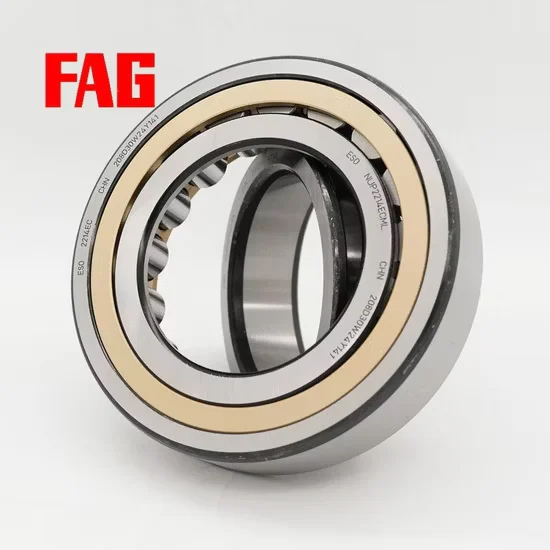
| Designation | FAG B7012-C-T-P4s-Dul |
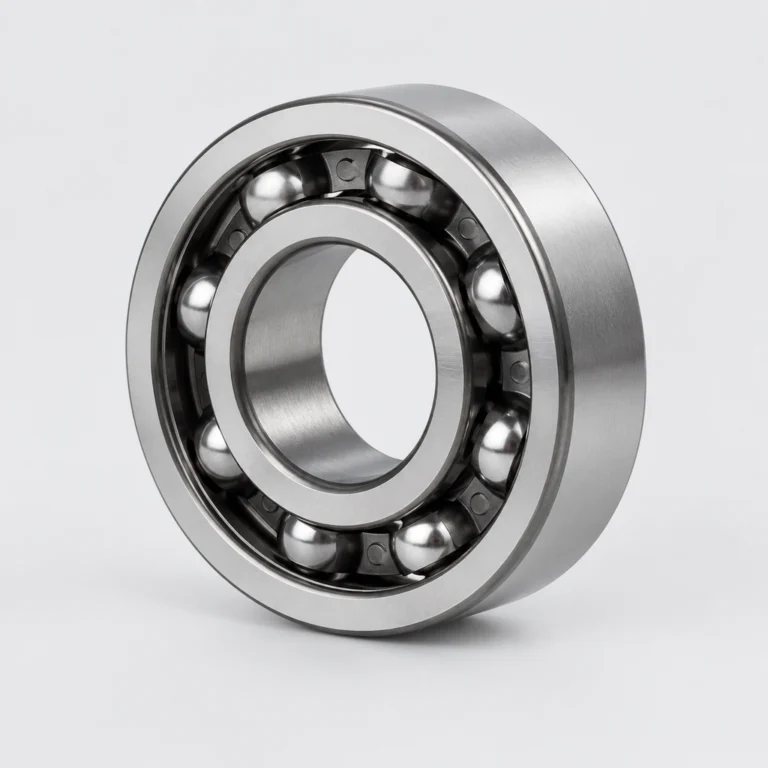
| Bearing Type | Angular Contact Ball Bearing |
| Precision Class | P4s |
| Contact Angle | 15° |
| Material | Available in high-purity bearing steel variants |
| Certification | ISO compliant |
Note: Suffixes B, T, P4s, and Dul require verification against the official catalog for exact cage, precision, and pairing definitions.
Application Suitability
| Industry | Typical Applications |
|---|---|
| Printing & Packaging | Main drive spindles and impression cylinders in high-speed printing presses |
| Machine Tool Manufacturing | High-frequency motorized spindles and precision grinding heads |
| Fluid Machinery | High-speed pump shafts requiring tight radial and axial control |
Why a Wrong FAG B7012-C-T-P4s-Dul angular contact ball bearing Destroys Printing Press Spindles
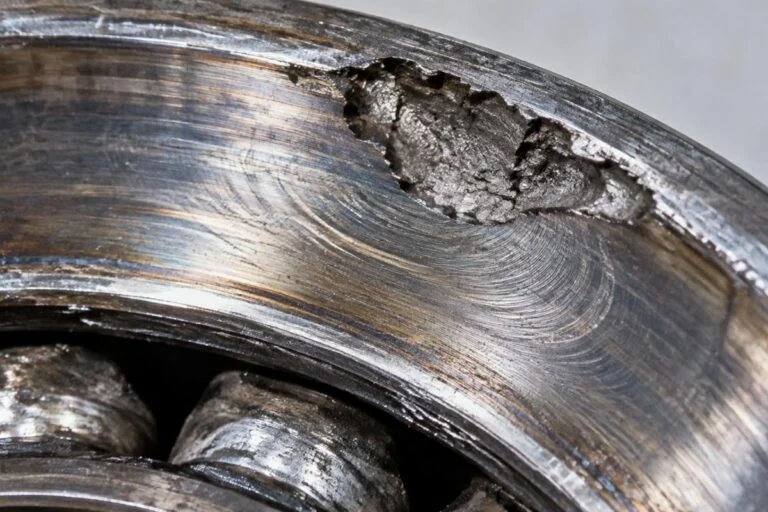
Swapping a specified spindle bearing with a generic alternative guarantees catastrophic vibration and immediate thermal failure.
Years ago in Riyadh, I conducted a failure analysis on a commercial printing press that tore itself apart because a maintenance crew installed a standard commercial bearing instead of the specified high-precision variant. The vibration levels spiked instantly, destroying the spindle housing, ruining the print registration, and halting production for weeks. Sourcing the exact suffix configuration is not merely about brand loyalty; it is a critical engineering requirement to prevent unplanned downtime in high-speed precision equipment where microscopic deviations cause massive financial losses.
Matching Spindle Dynamics to Exact Bearing Tolerances
High-speed printing spindles demand exceptional running accuracy to maintain strict print registration at elevated rotational speeds. The FAG B7012-C-T-P4s-Dul angular contact ball bearing provides the necessary dimensional stability to handle combined radial and axial loads without deflecting under continuous operational stress. Our engineering team cross-checks every single suffix to ensure the supplied unit matches the original equipment manufacturer's exact dynamic requirements, preventing the subtle mismatches that lead to premature fatigue.
Managing Thermal Growth and Lubrication Starvation
Printing machine spindles generate significant friction heat during continuous runs, which directly impacts internal clearance and lubricant film thickness. A 15° contact angle optimizes the balance between axial rigidity and high-speed thermal limits, reducing friction heat compared to steeper angles. Proper oil-air or specialized grease lubrication must be strictly maintained to prevent cage wear, while non-contact sealing arrangements are often preferred to minimize additional thermal buildup and protect against paper dust contamination.
Decoding the 15° Contact Angle and Precision Class
The C suffix designates a 15° contact angle, which is the industry standard for high-speed spindle applications where minimizing centrifugal forces on the rolling elements is absolutely critical. This specific geometry allows the bearing to sustain high rotational speeds while maintaining tight radial and axial control. The specified precision class ensures that dimensional and running accuracy deviations remain within extremely narrow bands, preventing the micro-vibrations that ruin print quality. Selecting the correct pairing and preload arrangement is equally vital to avoid excessive internal stress during thermal expansion, ensuring the spindle operates smoothly across its entire speed range.
The Financial Impact of Suffix Misalignment
Installing a bearing with an incorrect clearance class or mismatched preload arrangement inevitably leads to premature fatigue and catastrophic spindle seizure. According to ISO 281 framework principles, even minor deviations in precision or contact angle drastically reduce the calculated L10 life under high-speed conditions. The resulting collateral damage to the spindle shaft, housing, and adjacent drive components far exceeds the initial cost savings of purchasing an incorrectly specified replacement, turning a simple maintenance task into a major capital expenditure.
Securing Authentic Spindle Components Through Verified Channels
We maintain massive spot inventory covering thousands of standard and special part numbers, ensuring urgent spindle rebuilds are not delayed by typical multi-week lead times. Our technical selection support team actively verifies complex suffix strings to prevent the exact precision mismatches that cause field failures. Every shipment includes complete traceability documentation, confirming the genuine origin of the components. We provide flexible consolidation for mixed-brand project orders, allowing you to source all your maintenance requirements through a single, reliable channel without coordinating multiple suppliers.
Documentation & Authenticity
- Original batch traceability certificates linking the FAG B7012-C-T-P4s-Dul angular contact ball bearing to the manufacturer's production facilities.
- Running accuracy inspection reports confirming the specific precision class tolerances before dispatch.
- Material certification documents verifying the high-purity bearing steel composition and heat treatment standards.
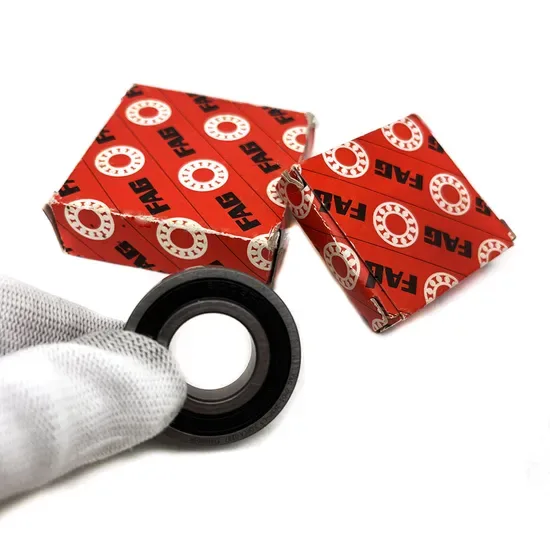
- Official QR verification codes for immediate authenticity checks via the manufacturer's mobile application.
Storage, Handling & Mounting
- Keep the matched pairing sealed until the exact moment of mounting to preserve factory alignment marks on this specific arrangement.
- Use clean, lint-free gloves when handling the bearing rings to prevent microscopic corrosion from skin moisture on the precision-ground surfaces.
- Employ induction heating with strict temperature limits to expand the inner ring without altering the specialized heat treatment of the bearing steel.
- Apply the specified high-speed spindle grease in exact measured quantities to avoid churning losses and excessive thermal buildup during initial run-in.
Engineering Review for Spindle Rebuild Projects
Share your specific radial and axial load profiles, maximum operating speeds, and thermal conditions so our team can validate the L10 life and preload requirements. Providing the original equipment manufacturer's part number allows us to perform a comprehensive cross-reference check against the 7012c equivalent. This technical review ensures the supplied configuration perfectly aligns with your spindle's dynamic operational envelope.
Frequently Asked Questions
Q: How do the specific suffixes affect the performance of this spindle bearing?
A: The C suffix confirms the 15° contact angle for high-speed optimization, while the precision class dictates the tight running accuracy required for print registration. Other suffixes in the string define the cage material, preload, and pairing arrangement, which must perfectly match the spindle design to prevent vibration and thermal failure.
Q: Why is cross-referencing the 7012c equivalent risky without technical verification?
A: A basic 7012c cross-reference only matches the boundary dimensions and contact angle, ignoring critical differences in precision class, cage design, and preload. Installing a standard commercial grade instead of a high-precision spindle variant will cause immediate vibration issues and premature failure in high-speed printing applications.
Q: What documentation proves the authenticity of the supplied bearings?
A: Every unit ships with original batch traceability certificates, material inspection reports, and dimensional accuracy records. Buyers can also scan the official QR codes on the packaging using the manufacturer's mobile application to instantly verify the genuine origin and production details of the specific batch.
Q: How should the contact angle be selected for printing machine spindles?
A: A 15° contact angle is typically specified for high-speed spindles because it minimizes friction heat and centrifugal forces on the rolling elements. Steeper angles provide higher axial rigidity but generate excessive heat at elevated rotational speeds, making the 15° geometry the optimal balance for continuous printing operations.